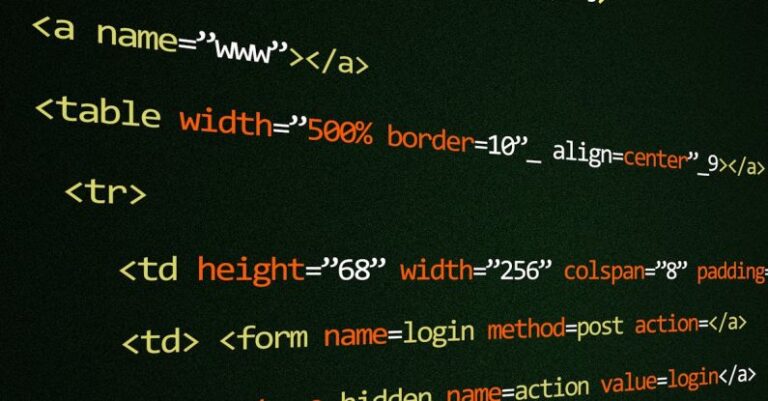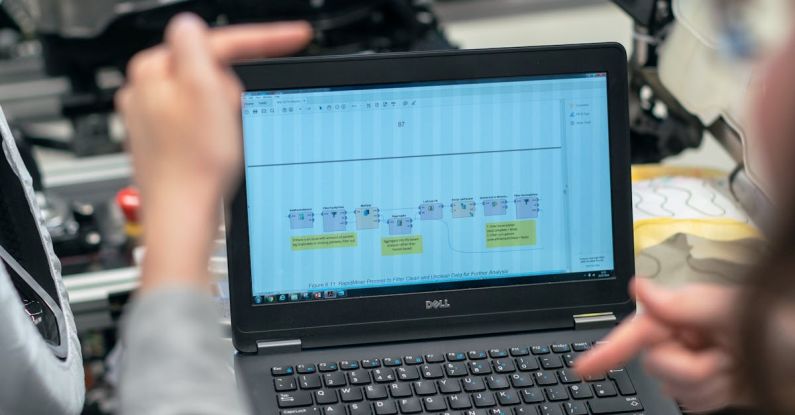
Innovations in technology have revolutionized the art world, opening up new avenues for creativity and expression. Amongst these advancements, coding has emerged as a powerful tool for digital artists, enabling them to push the boundaries of traditional art forms. By integrating coding into their creative processes, artists can unlock a world of possibilities and bring their visions to life in ways previously unimaginable. Let’s delve into the benefits of using coding in digital art.
Enhanced Creativity and Flexibility
Coding empowers digital artists to think beyond the constraints of traditional artistic mediums. By writing algorithms and scripts, artists can create dynamic and interactive pieces that evolve over time or respond to user input. This level of interactivity adds a new dimension to the art, engaging viewers in a way that static pieces cannot. Additionally, coding allows artists to experiment with complex animations, visual effects, and simulations that would be challenging to achieve manually. The ability to iterate quickly and make real-time adjustments enhances the creative process, enabling artists to explore new ideas and refine their work with ease.
Unlimited Customization and Control
One of the key advantages of using coding in digital art is the level of customization and control it offers artists. With code, artists can precisely manipulate every aspect of their creations, from color schemes and shapes to motion and sound. This granular control allows artists to fine-tune their work to achieve the desired aesthetic or emotional impact. Moreover, coding provides the flexibility to create generative art, where algorithms generate unique variations of a piece based on predefined rules. This capability adds an element of unpredictability and serendipity to the artistic process, leading to unexpected and captivating results.
Efficiency and Scalability
Incorporating coding into digital art workflows can significantly improve efficiency and scalability. With code, artists can automate repetitive tasks, such as generating complex patterns or applying filters to large datasets, saving valuable time and effort. Additionally, once a piece is coded, artists can easily scale their work to different sizes or resolutions without losing quality. This scalability is particularly beneficial for digital art intended for various platforms, such as websites, mobile apps, or physical installations. By leveraging coding frameworks and libraries, artists can streamline the development process and focus on the creative aspects of their work.
Interdisciplinary Collaboration and Innovation
Coding bridges the gap between art and technology, enabling interdisciplinary collaboration and fostering innovation. Digital artists who embrace coding can collaborate with programmers, designers, and technologists to create immersive and interactive art experiences. This cross-pollination of ideas and expertise often leads to groundbreaking projects that push the boundaries of traditional art forms. Furthermore, by integrating emerging technologies such as virtual reality, augmented reality, and artificial intelligence into their work, artists can stay at the forefront of innovation and engage audiences in new and compelling ways.
Accessibility and Community Engagement
Another significant benefit of using coding in digital art is the accessibility it provides to a broader audience. Through open-source platforms and online communities, artists can share their code, techniques, and resources with fellow creators worldwide. This culture of collaboration and knowledge sharing democratizes art creation, making it more inclusive and diverse. Additionally, coding empowers artists to engage with their audience in unique ways, such as through interactive installations, live performances, or online exhibitions. This direct interaction fosters a deeper connection between artists and viewers, enriching the overall art experience.
In conclusion, the integration of coding into digital art practices offers a myriad of benefits that empower artists to explore new creative possibilities, enhance their work with interactivity and customization, streamline their workflows, collaborate across disciplines, and engage with a global audience. By embracing coding as a tool for artistic expression, digital artists can push the boundaries of traditional art forms and drive innovation in the ever-evolving landscape of digital art.